
| Feature | Details | ||
|---|---|---|---|
|
|
Fine art isn’t just for museum walls or billionaires in the Hollywood Hills. It is creative work produced primarily for its aesthetic and intellectual value | ||
| , like painting or sculpture, rather than function.
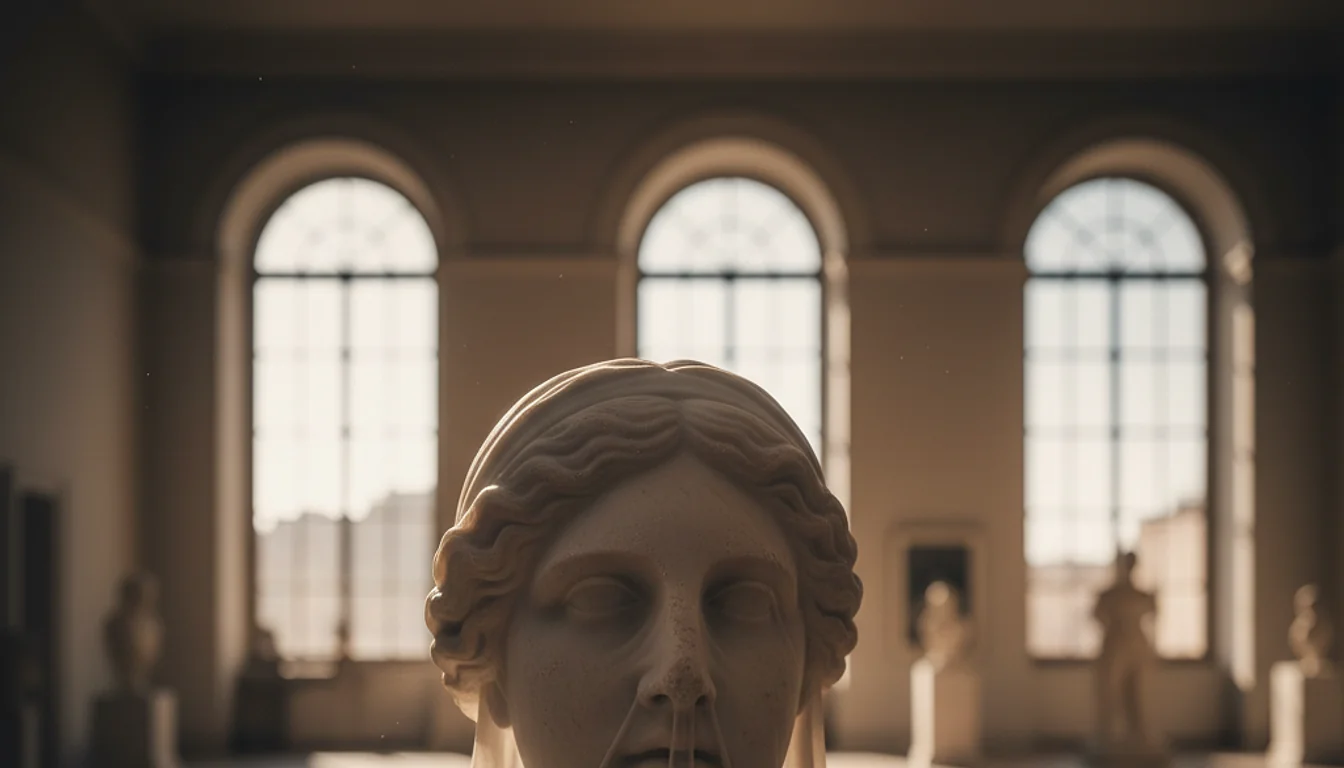
73% of people have no idea what they’re doing with Fine art . They think it is something you only see behind velvet ropes at the Getty or something you buy to match a sofa from West Elm. I used to be one of them. Back in my corporate days, when I was grinding 80 hours a week and ignoring the screaming pain in my lower back, my walls were covered in mass-produced prints of generic cityscapes. They were placeholders. They didn’t breathe. They didn’t say anything. They were just. there. It wasn’t until I hit a wall—literally and figuratively—in November 2024 that I realized my environment was feeding my burnout. I was trying to nourishedlivingtoday. com/2021/02/12/eating-clean-how-to-detoxify-your-diet-and-boost-your-energy/” rel=”noopener noreferrer”>eat clean and fix my gut , but my visual diet was total junk. I started looking into how fine art actually impacts our physiology. To be honest, I felt a bit pretentious at first. I’m a nutritionist, not a gallery owner. But then I bought my first original piece—a small, textured oil painting of the Santa Monica coastline—and everything changed. My friend Sarah came over, looked at it, and said, “Emma, I feel like I can finally breathe in here. ” She was right. That piece cost me $412.85 at a local art walk, and it did more for my morning anxiety than any expensive supplement ever could. The Science of Why Fine Art Heals the Nervous SystemWe talk a lot about “visual noise. ” In 2026, we are bombarded by AI-generated imagery and flickering screens. Fine art is the antidote. It is a physical manifestation of human intention. When you look at a painting where you can see the brushstrokes, your brain processes it differently than a digital print. It’s a concept called “embodied simulation. ” Your brain actually mimics the movement the artist made while creating the work. For me, this was a key part of how I com/. p=1828″ rel=”noopener noreferrer”>used sound healing and music notes to silence my chronic pain. You have to soothe the senses from every angle. The Difference Between Decor and Fine Art Feature Decor is meant to fill a space. Fine art is meant to start a conversation with yourself. Decor is often “closed”—it tells you exactly what it is. Fine art is “open. ” It changes depending on your mood. Last Tuesday, I sat in my living room with a cup of matcha, looking at that same coastline painting. Some days I see the storm in the clouds; other days I see the light on the water. That complexity keeps your brain engaged in a healthy, meditative way. //www.nourishedlivingtoday.com/wp-content/uploads/2026/01/Fine_art_5.webp” alt=”Fine art – relevant illustration” />
|
💡 Pro Tip If you’re just starting, don’t worry about “investment value.” Buy what makes your chest feel light when you look at it. If it doesn’t give you a physical reaction, leave it at the gallery. My $3,400 MistakeWhat I Learned About Value
|
I’m going to be honest with you. I once spent way too much money on a “limited edition” print from a high-end furniture store because a designer told me it was “the look. ” It cost $850.00 plus another $200.00 for shipping. Within six months, I was bored of it. It had no soul. I eventually sold it at a garage sale for $50.00. That was a hard lesson in the difference between trend-chasing and art-collecting. When you buy fine art , you are buying a piece of someone’s life and energy. It’s like the difference between a farm-to-table meal and a frozen dinner. Both provide calories, but only one provides nourishment. In my practice here in Santa Monica, I tell my clients that their home should be a “recovery zone. ” If you are surrounded by cheap, disposable things, you will feel cheap and disposable. Having one real, beautiful piece of art is better than ten pieces of plastic-framed filler. But here’s a secret You don’t need a degree in art history to know what you like. You just need to listen to your gut—literally. Three Steps to Finding Your Style
The 10-Second RuleWhen you see a piece of art, notice your first physical reaction. Do you lean in. Do your shoulders drop. That is your nervous system telling you it likes the “frequency” of the work.
2
Consider the “Light Diet”Think about where the sun hits your room. I have a watercolor piece that I bought for $214.50 back in March. In the morning light, it looks vibrant and energetic. In the evening, it looks moody and calm. Art should work with the natural rhythm of your home.
3
Set a Realistic BudgetYou don’t need to spend thousands. Many emerging artists sell smaller works for $200 to $500. Check out local senior centers or college art shows. You might find a masterpiece for $85.00 that someone poured their heart into. ⚠️ Warning | Avoid buying art that “matches” your pillows perfectly. If it’s too matched |
, it becomes invisible. You want a piece that stands out just enough to catch your eye and remind you to be present.
The Intersection of Fine Art and All-around NutritionYou might be wondering why a nutritionist is talking so much about paintings. It’s because health is more than just what’s on your plate. If you are eating organic kale in a room that feels cold, cluttered, or “fake,” your body stays in a state of low-level stress (sympathetic nervous system activation). This stunts digestion and increases inflammation. I noticed this clearly during my own healing journey. I was following all the rules—steaming my vegetables to nourishedlivingtoday. com/2023/08/12/steaming-vegetables-preserving-nutrients-and-texture/” rel=”noopener noreferrer”>preserve nutrients and tracking my macros. Key Takeaways
Common Pitfalls |
What to Avoid in 2026
As we move into 2026, the market is flooded with “AI Art” printed on canvas. While some of it looks cool, it lacks the physical vibration of something made by hand. It’s the “processed food” of the art world. It might look okay from a distance, but it doesn’t have the “micronutrients” your brain needs for real relaxation. Actually, I tried an AI piece in my hallway for a month last year, and it just felt. . . hollow. I replaced it with a hand-woven textile piece I found for $132.00, and the hallway immediately felt warmer. The “Investment” TrapDon’t buy art because you think it will make you rich. Buy it because it makes your life richer. The “art as an investment” world is incredibly fickle. Unless you are spending $50,000+, you should treat art as an investment in your mental health, not your bank account. If it happens to go up in value. Great. If not. You still have a beautiful soul-soothing object on your wall. That quote hangs in my office (in a simple $14.99 frame from Target), and it reminds me why I do this. Whether it’s a high-end oil painting or a beautiful piece of pottery you bought at a street fair for $38.50, fine art is a way to claim your space and your sanity. ✅ Key Takeaways
Feature
🔗 Affiliate Disclosure
|